Tagged: tiktok trends
Do Social Media Trends Really Help My Marketing?
- by Luke Thiessen
We love a good social media trend.
What could be better than noticing a new trend or format in its early stages – especially one that fits perfectly with your brand – and jumping on it quickly, then seeing it take off and boost everything from your follower count to views and engagement?
That’s the high most of us marketers are chasing a lot of the time. We know we can’t hit that with every post, but it sure feels good when it works, and the numbers make us look even better. But is it worth it?
I won’t leave you hanging here; the short answer is yes – but with some significant caveats.
Let’s look at some data, explore how and when to chase that trend for best results, and maybe even when to let the trend pass you by.
How to capture the moment
There are two main things to consider when deciding whether to jump on a social media trend: timing and fit.
Timing is crucial on several fronts. Most social media trends have a pretty short shelf life, and many users – especially your younger audience – respond negatively to brands posting old or “stale” trends. By the time you’ve noticed the trend, chances are good it’s already past the halfway point to becoming stale. Even if you have caught something fairly early, you’ve really only got a few days at most before your take on it feels too late or irrelevant.
There are some exceptions to this, especially with more niche and industry-specific trends, which tend to move more slowly and have a longer shelf life. And if your audience or follower base leans a little older, this can shift your window and give you a little more time as well.
Another reason timing matters is that you may have other time-sensitive content in the works or in your content schedule, so dropping everything to chase a trend might be a trade-off with more risk than reward. So, consider what it will take to make your trend-chasing post, as well as what you might be sacrificing to make that happen.
If you have caught a trend early enough and the timing feels good, the other thing to consider is fit: does this particular trend feel appropriate for your brand and your audience?
It’s important to remember that while a given social media trend might be popular with certain groups and online communities – maybe even ones you belong to personally – that doesn’t mean it will be familiar or relevant to your brand’s followers. You should also consider your brand’s online personality and image, and whether a given trend would damage or take away from that in any meaningful way.
The potential benefits
The main argument in favour of chasing social media trends is that the algorithms – especially on platforms like Instagram and TikTok – prioritize content that uses trending audio, hashtags and formats. They also value certain types of engagement more highly than others, especially shares – meaning if a user finds a post funny or relatable and sends it to a friend, they will reward you for it in the algorithm.
If you manage to make something that captures a trend well, at the right time and in the right way, you also have a much better chance of making it onto people’s “for you” and “discover” pages, and ultimately going viral. More than two-thirds of videos on TikTok are viewed from the “for you” feed (versus “following”), so breaking outside of your follower base is a huge benefit of going even slightly viral, and can often grow your follower count noticeably in a very short period.
The challenges and pitfalls
For all the benefits of posting a video or reel that goes viral, there is evidence that it’s getting harder to do, and that the results can sometimes be counterproductive.
After rapid growth in 2024, Instagram Reels saw a decline in overall reach and impressions last year (down by more than a third in 2025). A report last year from Sprout Social also found that one-third of consumers feel that brands jumping on social media trends is “embarassing,” and another quarter feel it’s only effective within 24 to 48 hours of a trend’s beginning.
Perhaps most significantly, research shows the longer-term effects of going viral on social media are neutral or even net-negative for many brands. Engagement tends to drop sharply within days of a viral post, often dipping below what it was beforehand, and despite an increased follower count, a viral post doesn’t seem to improve engagement for a brand at all. The researchers in this particular study suggest that, according to the data, consistent high-quality content over the long term is more likely to lead to stable growth and engagement.
My post went viral, now what?
When you have a post go viral, there are some things you can do to take better advantage of the moment and to mitigate some of the inevitable post-viral slump.
Posting again shortly after the peak of a viral post is helpful, as well as prioritizing high-engagement types of content for a time. On Instagram, carousels have become one of the best post formats for engagement and algorithmic performance, so consider making your next post a carousel.
Another thing to do is adjust your expectations. Going viral is unpredictable, and despite your past success and best efforts, you may not do it again, or at least not right away. Many brands who gain followers with a viral post will also lose up to one-third of those new followers within a month. Recognize the data around your viral post to be an outlier, and continue working toward sustainable growth.
We can help
If you haven’t heard by now, social media content and data are kind of our thing, and we’d love to help your brand maximize its online presence. If you need someone to help your brand build a strong and engaged following online, and maybe even make some viral content along the way, get in touch for a free discovery call today!
Our Favourite TikTok Content from 2025
- by Alicia Kurz
Let’s start with this: no two TikTok feeds are alike. The algorithm is so good that I often have no clue what my friends are talking about when they mention a video. Still, some moments cut through the chaos, and these are the ones that brought us all together online this year.
May all good things come to Mikey Angelo, who does the monthly TikTok trends recap, because I cannot remember all the brain rot I've consumed since January. Here’s a roundup of our favourite trending content from 2025 this year — some you’ve probably forgotten about already.
January
TikTok was banned in the US for about 12 hours on January 19, 2025
Remember when Canadian content blessed our feed for those 12 hours? We almost had a shot at the Creator Fund, guys!
Yikes. Obviously, this sparked rage among many people, and users were eager to share their opinions in videos and engage with this content.
The Blake Lively + Justin Baldoni drama
“Grab your friends and wear your florals” to this Colleen Hoover book, based on domestic violence. Perez Hilton and Candace Owens covered this story a lot, and it’s still not over! This story elicited a big emotional response from people. The trial is set for March 9, 2026.
Trump called Canada the 51st state
No thanks, bud. Trump’s comment about Canada becoming the “51st state” lit up TikTok because it hit that mix of shock, humour and national pride that people love to react to. The idea is so out there that creators jumped on it right away, turning clips into jokes, reactions and hot takes. At the same time, the talk about tariffs and “economic force” added a serious edge that made the whole thing even more shareable. It became one of those moments where politics and pop culture collided, and TikTok ran with it.
February
A rare video of a black seadevil anglerfish was filmed swimming up to the surface near Tenerife — something that almost never happens in nature.
Because the fish was injured and later died, TikTokers wrapped it in a poetic, almost mythic narrative: it was “coming toward the light,” and its final moments became deeply symbolic.
The emotional resonance hit hard. Users made fan art, poems, animations, even tattoos treating the anglerfish like a tragic hero.
“Hey Drake,” Kendrick’s Super Bowl moment had the perfect mix of spectacle, energy and cultural weight. His performance felt intentional, with sharp visuals and lyrics that people immediately started breaking down and reacting to. TikTok creators jumped in with edits, commentary and behind-the-scenes clips, turning key moments into fast-moving trends.
March
Guys, why did this happen? Katy Perry joined an all-female Blue Origin crew: Gayle King, Lauren Sánchez, Aisha Bowe, Amanda Nguyen and Kerianne Flynn on an 11-minute suborbital flight that looked more like celebrity tourism than a mission. The moment she floated around singing and then landed, kissing the ground, made the internet collectively roll its eyes. We’re out here asking for grocery priced to come down, but good thing you are sending pop stars to space…
If I were in a coma for the last year and woke up now, and someone gave me this blog to read, I would think it was satire. But no, Pete Hegseth really is out there texting war plans.
April
Trisha Paytas is pregnant with the Pope
I really don’t know anything about Trisha Paytas, so I had to do a deep dive here. Every time she’s pregnant, a big-name figure dies. First Queen Elizabeth, then OJ Simpson, and now Pope Francis — or as this TikTok says, Ozzy Osbourne.
“Im so hungry I could eat________.”
This trend is actually so stupid, but it had me laughing out loud. It blew up because anyone can do it, and you don’t need to memorize any choreography or have comedic timing. It’s easy, inclusive, and harmless. Love it!
May
I am so over the comments “XYZ before GTA 6.” It’s now a cultural moment. Fans have been waiting more than a decade, so any update, good or bad, becomes instant content. The delay also fuels reaction videos, jokes and theories since people love breaking down what Rockstar is doing.
I hate to ruin a conspiracy theory, but this is fake news. She was never missing.
The real Annabelle doll (the haunted Raggedy Ann behind The Conjuring lore) “went missing” during its latest tour. Paranormal creator Ryan Daniel Buell posted footage of the doll being moved to spots like a penitentiary. Videos circulated tying her “escape” to weird, real-world events like fires and prison breaks, but this was likely a publicity stunt from comedian Matt Rife, who recently announced plans to open the Warren Occult Museum, which houses the original Annabelle doll, for public tours and overnight stays.
June
“It’s not clocking to you that I’m standing on business, is it?”
Justin Bieber’s line, “It’s not clocking to you that I’m standing on business,” went viral on TikTok — and I kind of feel bad about it. Clearly this man has had enough of people taking his photo at every turn. However, his phrasing turned into overnight slang that people couldn’t stop replaying. Creators jumped on it with memes, skits and reactions. It is catchy.
The labubu is the Beanie Baby for Gen Z. With the added element of blind boxes and being a little creepy. People are unboxing them live, showing off rare versions, and turning their hauls into viral content.
Apparently, there’s a growing “satanic panic” around the dolls (not on my feed). Some Christian TikTokers are claiming the Labubus are demonic, linking their design to pagan lore or even the demon Pazuzu, despite the creator saying they’re inspired by Nordic stories.
July
At a Coldplay concert, Astronomer’s CEO Andy Byron went viral after the stadium kiss-cam caught him hugging his company’s HR head, Kristin Cabot.
Chris Martin even cracked a joke on stage: “Either they’re having an affair or they’re very shy.”
The awkward reaction — Byron ducking, Cabot covering her face — turned into memes and sparked a full-blown scandal, leading to Byron’s resignation.
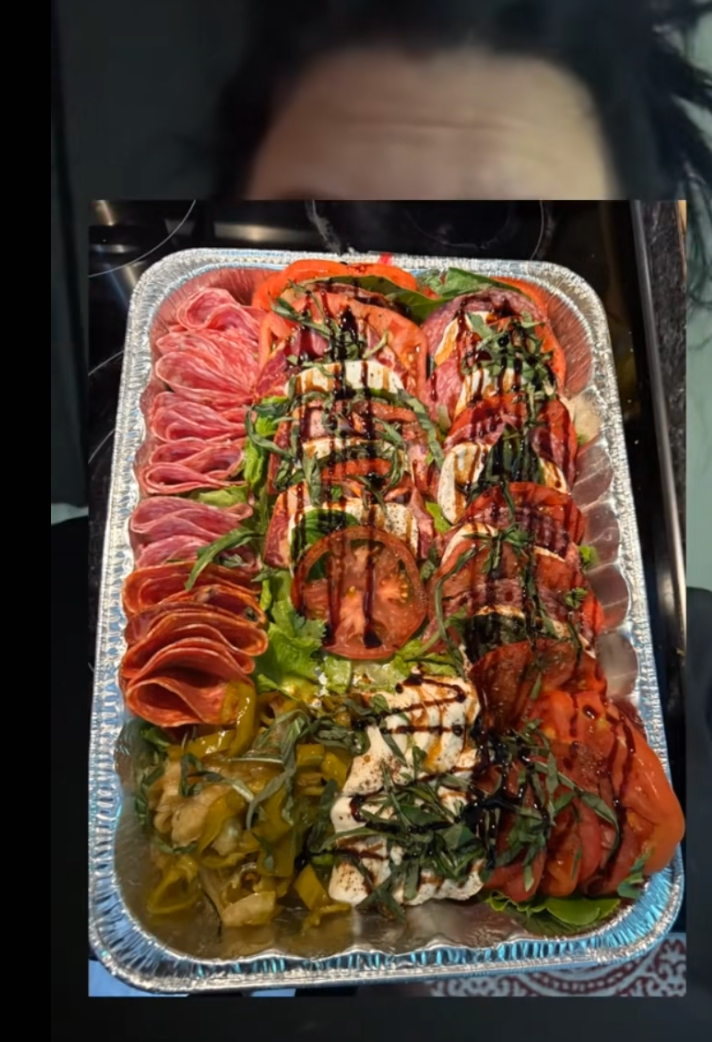
Before I even go into this, I need this woman to know that if she showed up at my house with that dish, I would demand every guest come over and look at what a work of art it is. Are people okay? Clearly, I am still worked up about it, which is why this went viral.
Nicole posted a tear‑filled video about her July 4th experience: she arrived at a neighbour's get‑together with a beautiful, homemade antipasto salad and said she was immediately treated like she didn’t belong.
The internet rallied around her in what’s now called “Antipasto‑gate,” calling the drama cruel and petty.
This is like America’s Funniest Home Videos on demand on your phone. Users are pairing the super‑cheery Jet2 ad audio with clips of everything going wrong on vacation. Think tiny hotel windows, zip‑line fails, rain‑drenched pool days, and chaotic airport moments.
Nothing will convince me that this was not intentional. Sydney Sweeney starred in an American Eagle campaign with the tagline “Sydney Sweeney has great jeans,” which plays on the word “genes.”
It’s giving tone‑deaf, arguing that the pun, combined with her being blonde and blue-eyed, echoes genetic superiority or eugenic undertones. Others defend it as just cheeky marketing, and American Eagle says it’s really just about celebrating denim, not genetics.
The real winner is American Eagle, because we’re still talking about the brand.
August
Sawyer Hemsley, the co‑founder of Crumbl Cookies, came out as gay after a viral TikTok by Grant Gibbs, who said, “That man is so gay … gay to the gods.”
That video got millions of views, and a few days later, Hemsley posted a heartfelt Instagram message confirming his identity on his own terms.
Gibbs apologized, saying he never meant to out him publicly. “Sorry, I clocked your tea.”
The mix of surprise, positivity, and social-media-friendly personality made it trend instantly.
Cracker Barrel changed its classic logo to a minimalist version in 2025, removing “Old Country Store,” and TikTok users immediately roasted it for looking bland and soulless. The backlash was so loud that the company quickly reversed course and brought back the old design. Sales actually dipped a bit after the change, especially at locations known for nostalgia, which made the flip‑back feel like a smart move. On TikTok, the trend worked because it was part culture war, part nostalgia meme. People shared parody videos, reactions, and hot takes about the sudden redesign and reversal.
Genuinely, the only logo I care about is Fruit of the Loom, and WHY they say it never had a cornucopia.
September
TikTok went wild over Charlie Kirk and the Etsy witches because a Jezebel article joked about paying witches to hex him, and just two days later, he was fatally shot. The timing freaked people out, and the story instantly became a mix of dark humour, conspiracy theory and “what are the odds?” content. It’s one of the most talked-about moments in politics and pop culture at once.
#RaptureTok sparked because of a viral prophecy by South African preacher Joshua Mhlakela, who claimed Jesus told him the Rapture would happen on Sept 23‑24, 2025.
Some people took it seriously, quitting jobs, selling stuff and praying like it’s the end, and others are mocking it with memes, survival guides and parody countdowns.
The trend taps into deep faith, online anxiety and how TikTok can amplify ideas — whether they’re earnest or satirical.
Let’s be clear, doctors and public health groups are saying the same: Tylenol is still one of the safest pain-relievers for pregnant folks when used properly.
The TikToks calling it out are pointing out how dumb and fear-mongering it is. Can we please leave the science to scientists?
October
Billie Eilish calls out billionaires
Billie Eilish called out billionaires at the WSJ Innovator Awards, literally looking around a room of ultra-rich people (hello, Zuckerberg) and saying: “If you’re a billionaire, why are you a billionaire? … No hate, but give your money away, shorties.” (Preach!)
She backed it up by donating $11.5 million from her tour to causes like food equity and climate justice.
TikTok picked up Billie's speech fast. Most of the conversation is about inequality, spending power and how unusual it is for someone her age to challenge that kind of wealth so openly.
TikTok can’t get enough of the Louvre heist because the whole thing feels like a movie — thieves in construction vests, an eight-minute grab-and-go, and a getaway on scooters. But what’s interesting is that people on the app aren’t exactly heartbroken about the museum being robbed. A lot of creators are pointing out that the Louvre has a long history of acquiring pieces through colonialism, so the conversation has shifted from “I can’t believe this happened” to “maybe this is what happens when your collection comes from everywhere else.”
TikTok ran with the whole Group 7 thing because it feels like peak millennial internet energy — getting sorted into a special little club by the algorithm. It all started when musician Sophia James posted her new song seven times in slightly different formats, and the seventh one took off after she looked straight into the camera and told viewers they were in “Group 7.” People loved the insider vibe, so they started bragging about being part of it, which only pushed the video further. It’s niche, chaotic and very “please tell me who I am,” which is exactly why it spread so fast.
Our Predictions for TikTok in 2026
As we head into 2026, the app is leaning even harder into authenticity, community and content that feels personal rather than produced. The trends we’re already seeing this year will only get stronger, which means brands need to pay attention to how people actually use the platform, not how marketers wish they used it.
First, expect raw, unpolished videos to take centre stage. TikTok has made it clear that viewers want relatable creators, not commercial gloss. Behind-the-scenes clips, quick storytimes, pack-an-order videos and “tell me without telling me” moments continue to outperform anything that looks too perfect. Vulnerability is part of the culture now, and businesses that lean into it with real voices and real people will win trust faster.
Second, influence is becoming more decentralized. In 2026, it won’t just be creators driving trends. Employees, customers and niche community leaders will shape what takes off. This shift aligns with the rise of tight-knit interest groups like #BookTok, #GymTok and #CleanTok. If your brand can support these communities with content that adds value, you’ll earn credibility in spaces built on shared interests.
Third, participation will matter more than polish. Stitches, Duets, challenges, POV videos and simple prompt-based trends are still the backbone of TikTok engagement. These formats invite people into the conversation, which is exactly what the algorithm rewards. The first three seconds remain critical, and using trending sounds is still one of the fastest ways to spark visibility. TikTok wants constant experimentation, so brands that test new formats regularly will have a clear advantage.
For 2026, the takeaway is simple: show up as a human brand. Share the messy parts, highlight the people behind the scenes, tap into niche communities and create content that feels like it belongs in the feed. TikTok might be unpredictable, but one thing is clear as we head into the new year. Authenticity is no longer a trend. It’s the expectation.